Understanding Stock Market Futures: Your Guide to Global Pre-Market Indicators
In the fast-paced world of global finance, staying ahead means understanding the subtle signals that precede major market movements. Among the most potent of these signals are
stock market futures. Far more than just complex financial instruments, futures contracts act as critical global pre-market indicators, offering investors and traders a vital sneak peek into the expected sentiment and direction of equity markets worldwide before the opening bell even rings. This guide will demystify stock market futures, explaining their function, their influence, and how you can leverage their insights to make more informed trading and investment decisions.
What Exactly Are Stock Market Futures?
At its core, a
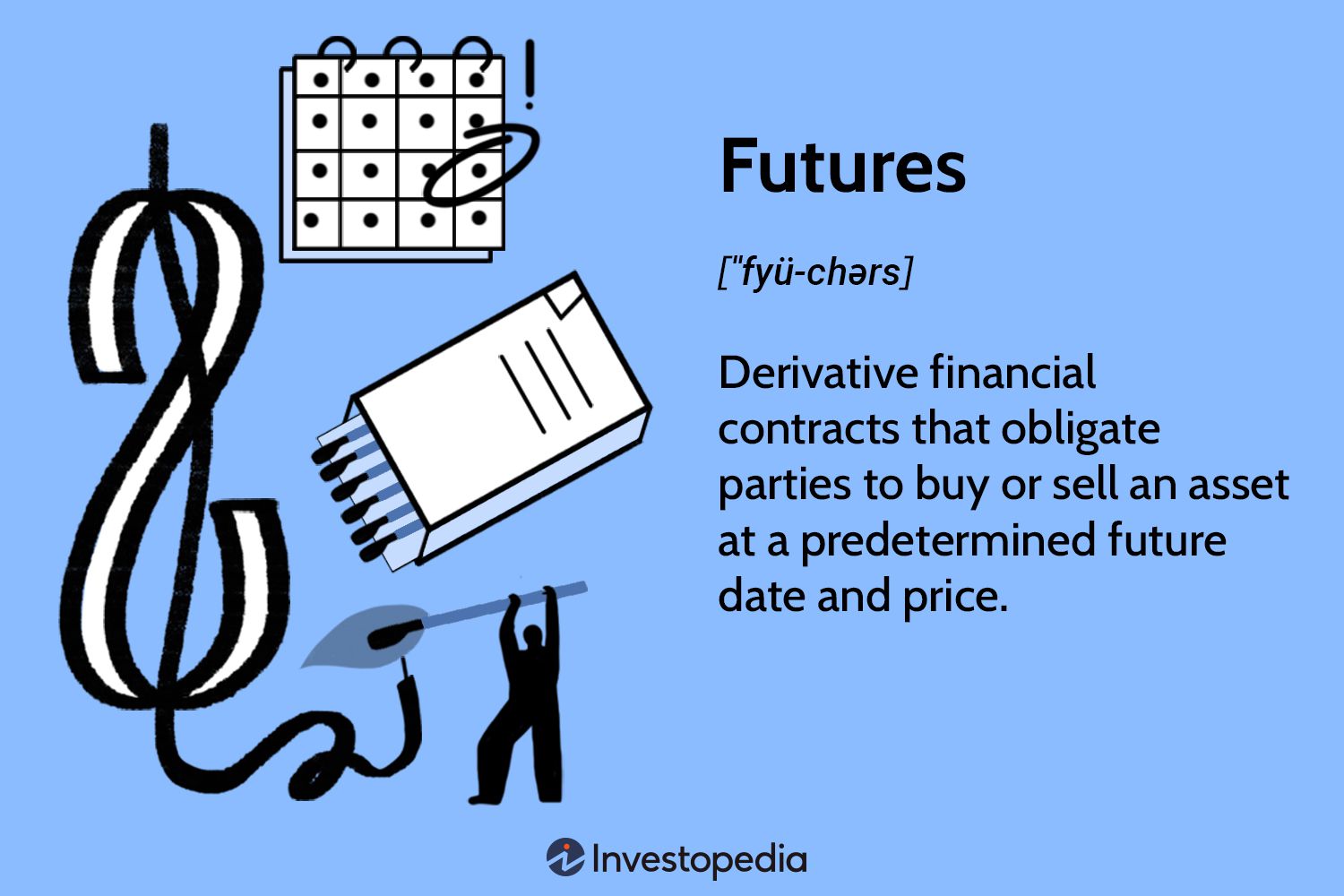
stock market future is a derivative financial contract that obligates the buyer to purchase, or the seller to sell, an underlying asset (in this case, a stock index) at a predetermined price on a specified future date. Unlike individual stock futures, which track a single company's shares,
stock index futures track the performance of a broad market index like the S&P 500, Germany's DAX, Japan's Nikkei 225, or Hong Kong's Hang Seng.
Here’s a breakdown of their key characteristics:
- Derivative Nature: Their value is derived from the underlying asset (the stock index). You're not buying or selling the actual stocks in the index, but a contract representing its future value.
- Standardized Contracts: Futures contracts are highly standardized, specifying the quantity, quality, and delivery month. This standardization facilitates trading on exchanges.
- Leverage: Futures trading involves significant leverage. Traders only need to put up a small percentage of the contract's total value as margin, allowing them to control a large position with relatively little capital. While this can amplify gains, it also dramatically magnifies potential losses.
- Speculation and Hedging: Traders use futures to speculate on the future direction of an index. If they believe the S&P 500 will rise, they might buy S&P 500 futures. Conversely, investors can use futures to hedge against potential declines in their existing stock portfolios.
- Cash Settlement: Most stock index futures are cash-settled, meaning that upon expiration, there's no physical delivery of stocks. Instead, the difference between the contract price and the index's actual value is settled in cash.
These contracts are traded on electronic platforms, often operating nearly 24 hours a day, reflecting the continuous ebb and flow of global economic news and investor sentiment.
The Global Pulse: Futures as Pre-Market Indicators
One of the most compelling aspects of
stock market futures is their role as crucial
global pre-market indicators. While cash equity markets (where individual stocks are traded) open and close at specific regional times, major index futures often trade around the clock. This continuous trading provides an invaluable window into market sentiment long before traditional exchanges begin their daily sessions.
Consider this scenario: as Asian markets close, European markets are preparing to open, followed by North American markets hours later. During these "off-hours" for a particular region's cash market, its associated index futures continue to trade. For instance, S&P 500 futures will trade throughout the Asian and European overnight sessions (for U.S. time zones).
What does this mean for you?
*
Early Sentiment Gauge: Futures levels recorded in the early hours – such as those for the S&P 500, DAX, Nikkei 225, or FTSE MIB – provide an indicative pre-market or overnight pricing. These figures reflect trader expectations for the opening direction and sentiment of the underlying cash markets based on developments up to that point. If Asian futures are down significantly overnight, it can signal a weaker open for European and later, U.S. markets.
*
Cross-Regional Interconnectedness: Futures brilliantly illustrate the interconnectedness of global financial markets. A major economic announcement in China, a political development in Europe, or overnight trading trends in one region can ripple across time zones, immediately impacting futures prices for indices in other parts of the world. This means that a decline in Hang Seng futures can indeed pre-empt a challenging day for the CAC 40 or the S&P 500.
*
Price Discovery: Futures contribute significantly to price discovery. They help establish a preliminary consensus on market value based on all available information before the cash market opens, helping to smooth out potential opening price gaps.
*
Real-Time Insights: Platforms providing
Global Stock Futures Today: Real-Time Market Rates & Analysis enable traders to monitor these streaming rates, reacting instantly to breaking news and shifting expectations.
It's important to remember that these futures levels are
indicative. Subsequent news, order flow, or unforeseen events can still cause the actual cash indices to open at different levels. However, they remain the most reliable forward-looking indicator available.
Navigating Volatility: Policy, Geopolitics, and Futures Movements
Stock market futures are highly sensitive to a myriad of external factors, making them excellent barometers for real-time market sentiment, especially during periods of heightened volatility. Major policy announcements, geopolitical tensions, and significant economic data releases can trigger immediate and often dramatic shifts in futures pricing.
Consider a historical example: imagine a scenario where a major global power suddenly announces a significant increase in tariffs, following a surprising judicial ruling on existing trade policies. Such an announcement, especially if made outside of regular market hours, would immediately send ripples through the `global futures market`. Futures contracts tied to key equity indices like the S&P 500, DAX, and Nikkei 225 would likely react sharply.
*
Policy Uncertainty: Unexpected changes in government policy – whether related to trade, monetary stimulus, or taxation – introduce uncertainty, which markets generally dislike. Futures provide an immediate gauge of how investors are interpreting these policy shifts. A "sell America" sentiment, as witnessed in some historical contexts, could see U.S. index futures decline as investors seek safe-haven assets like gold.
*
Geopolitical Shocks: Events such as political instability, international conflicts, or even major diplomatic statements can profoundly impact market sentiment. Futures prices will reflect increased risk aversion or optimism, indicating potential shifts in `investor positioning` and `risk appetite` well before the cash markets open. For a deeper dive into this phenomenon, explore
Geopolitical Shocks & Futures: Analyzing Market Sentiment Shifts.
*
Economic Data: Monthly jobs reports, inflation figures, GDP growth, and central bank interest rate decisions are prime movers of futures markets. A stronger-than-expected jobs report might send index futures higher, signaling economic optimism, while surprising inflation data could cause a downturn.
*
Corporate Earnings: While less direct for broad index futures, significant earnings reports from major companies within an index can still influence overall market sentiment and, consequently, index futures.
Monitoring how `real-time streaming rates` for futures react to these developments offers invaluable clues about how the broader market will likely open and trade.
Practical Applications: How Investors Use Futures Data
Understanding and interpreting
stock market futures data can significantly enhance the strategic decisions of various market participants.
For Day Traders and Short-Term Speculators:
- Gauging Opening Gaps: Futures help anticipate whether an index will open higher or lower than its previous close. This insight is critical for planning opening trades.
- Intraday Direction: Continuous futures trading provides a real-time pulse of market sentiment, helping traders confirm or challenge their intraday biases.
- Risk Management: By observing futures movements, traders can set stop-loss orders or adjust positions proactively based on developing sentiment.
For Long-Term Investors and Portfolio Managers:
- Hedging Strategies: Futures can be used to protect existing equity portfolios against potential downturns without selling off underlying stocks. For example, if an investor holds a diversified portfolio mirroring the S&P 500 and anticipates a temporary market correction, they might sell S&P 500 futures contracts to offset potential losses in their holdings.
- Asset Allocation Decisions: Futures market sentiment can inform broader asset allocation choices, helping managers decide whether to increase or decrease exposure to equities.
- Benchmarking: Futures prices serve as a benchmark for analyzing `market dynamics` and historical `sentiment shifts`, providing context for long-term trends.
Tips for Interpreting Futures Data:
- Look at the "Big Picture": Don't just focus on one index. Observe how `global stock futures` for various regions (U.S., Europe, Asia) are performing. Consistent movement in one direction across multiple geographies suggests strong underlying sentiment.
- Context is Key: Always correlate futures movements with recent news, economic announcements, and geopolitical events. A sharp drop in futures after a positive economic report should raise questions.
- Volume and Open Interest: Pay attention to trading volume and open interest in futures contracts. High volume indicates strong conviction behind price movements, while changes in open interest can signal shifts in market participation.
- Identify Support and Resistance: Just like cash markets, futures prices respect technical levels. Identifying these can help predict potential reversals or accelerations.
- Remember the Indicative Nature: Futures are indicators, not guarantees. While powerful, they reflect expectations, and actual market openings can still differ based on new information or specific order imbalances.
Conclusion
Stock market futures are indispensable instruments in the modern financial landscape. They serve as potent
global pre-market indicators, offering unprecedented transparency into investor sentiment and market direction around the clock. By understanding their mechanics, their sensitivity to global events, and their practical applications, individuals from day traders to long-term investors can gain a significant edge. Monitoring `real-time streaming rates` for futures contracts across major `equity indices` like the S&P 500, DAX, Nikkei 225, and Hang Seng allows for a proactive approach to investing, enabling more informed decisions in an increasingly interconnected and dynamic global market. Embrace the insights offered by futures, and you'll be better equipped to navigate the complexities and opportunities of the financial world.